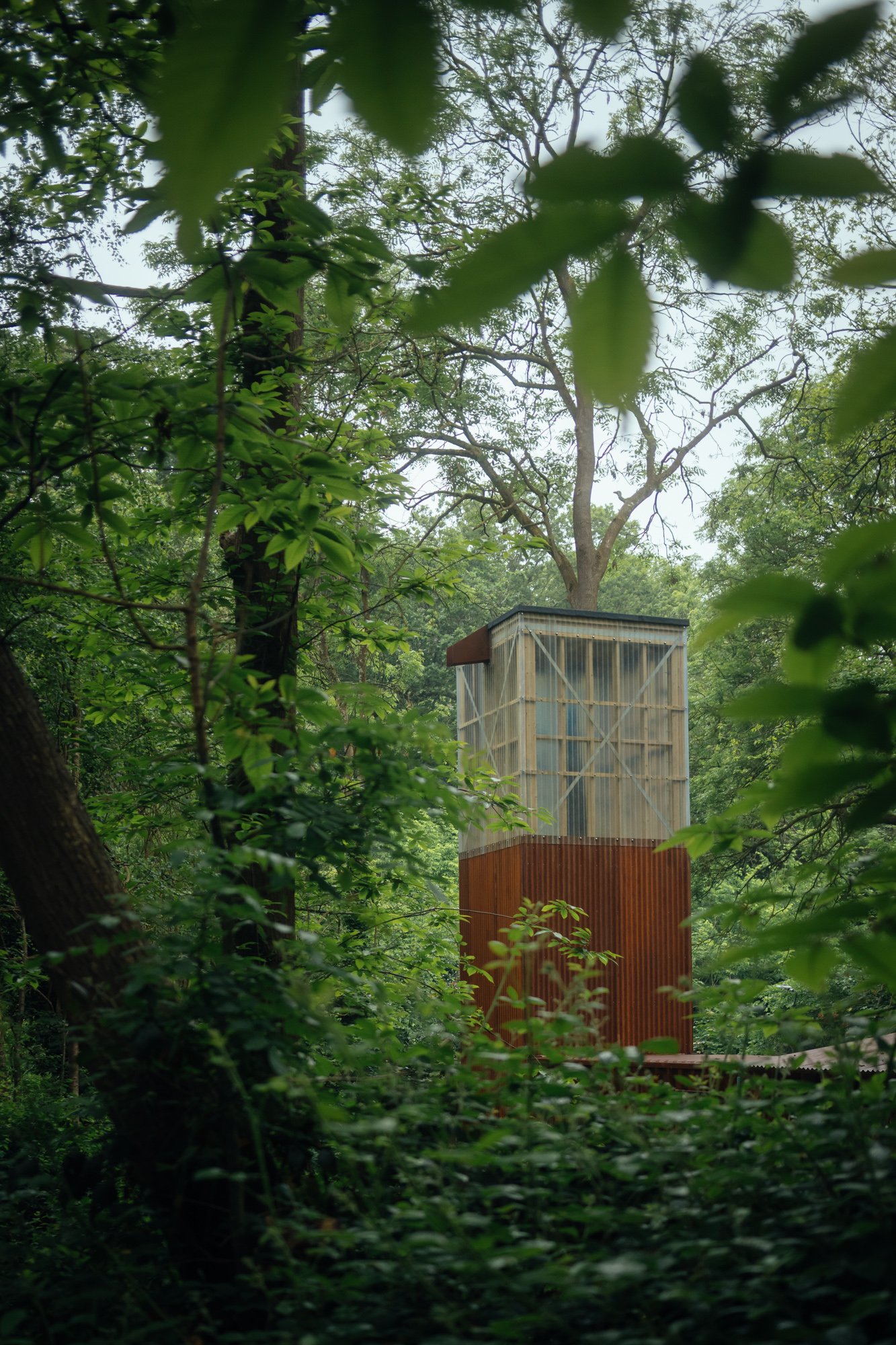
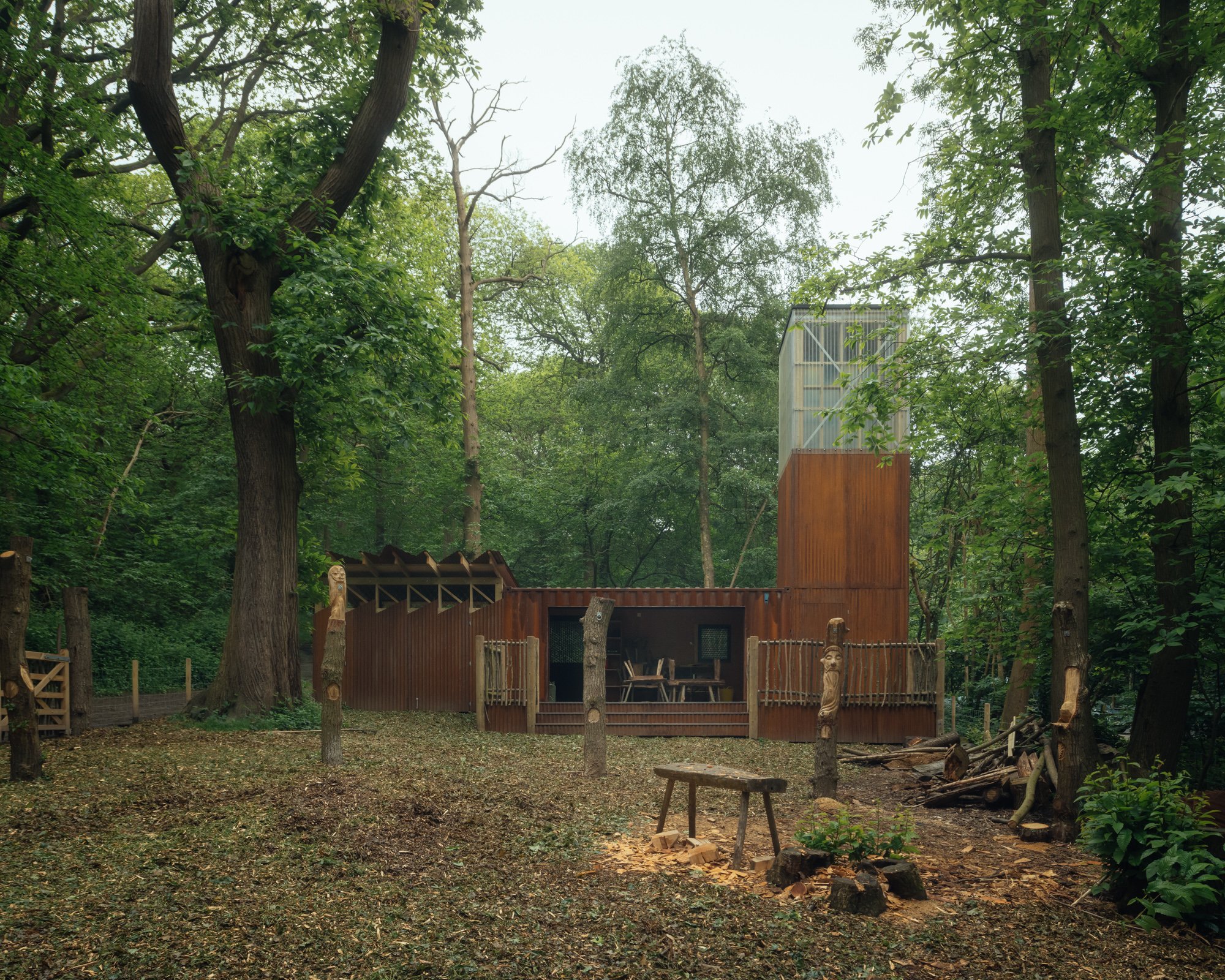
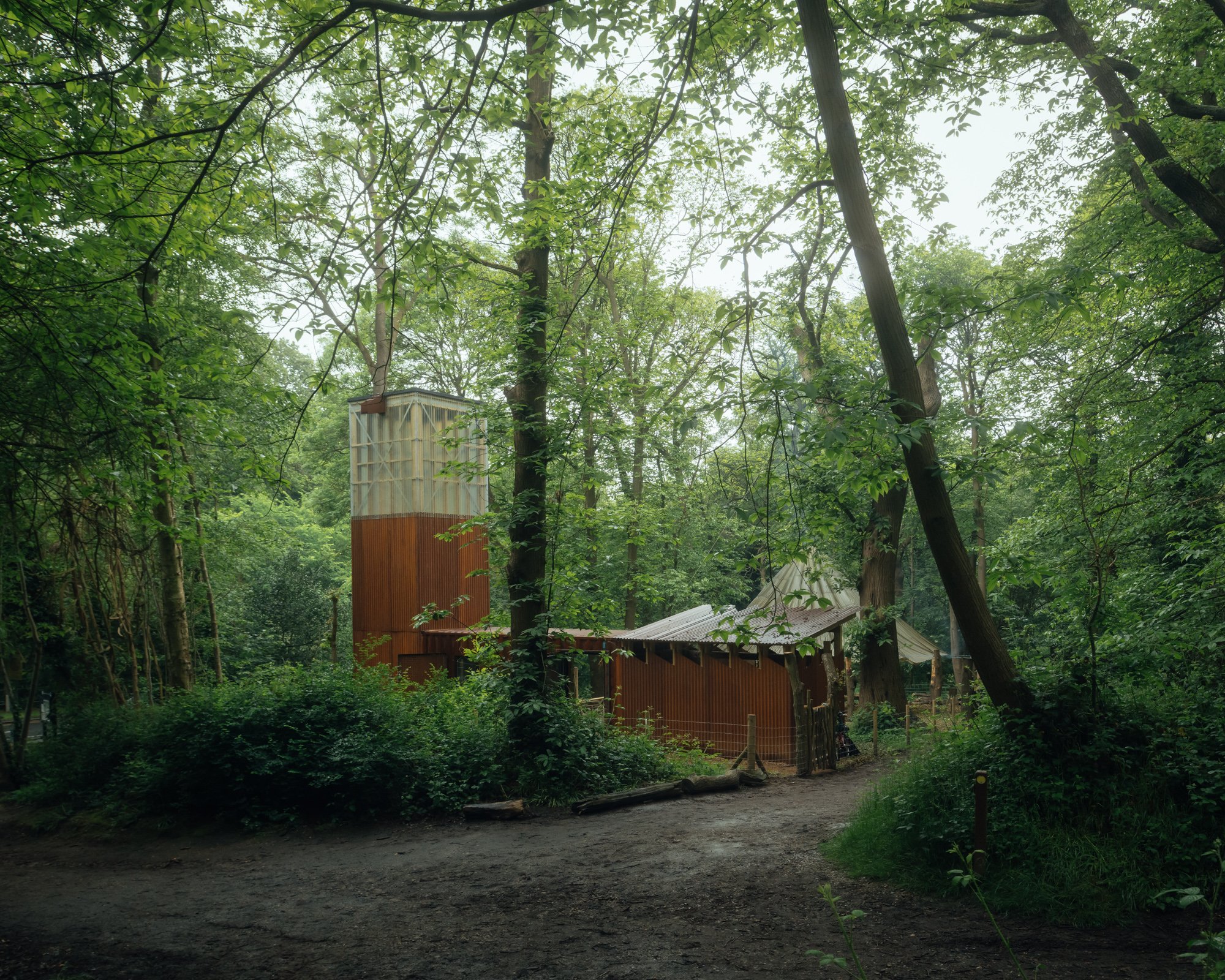
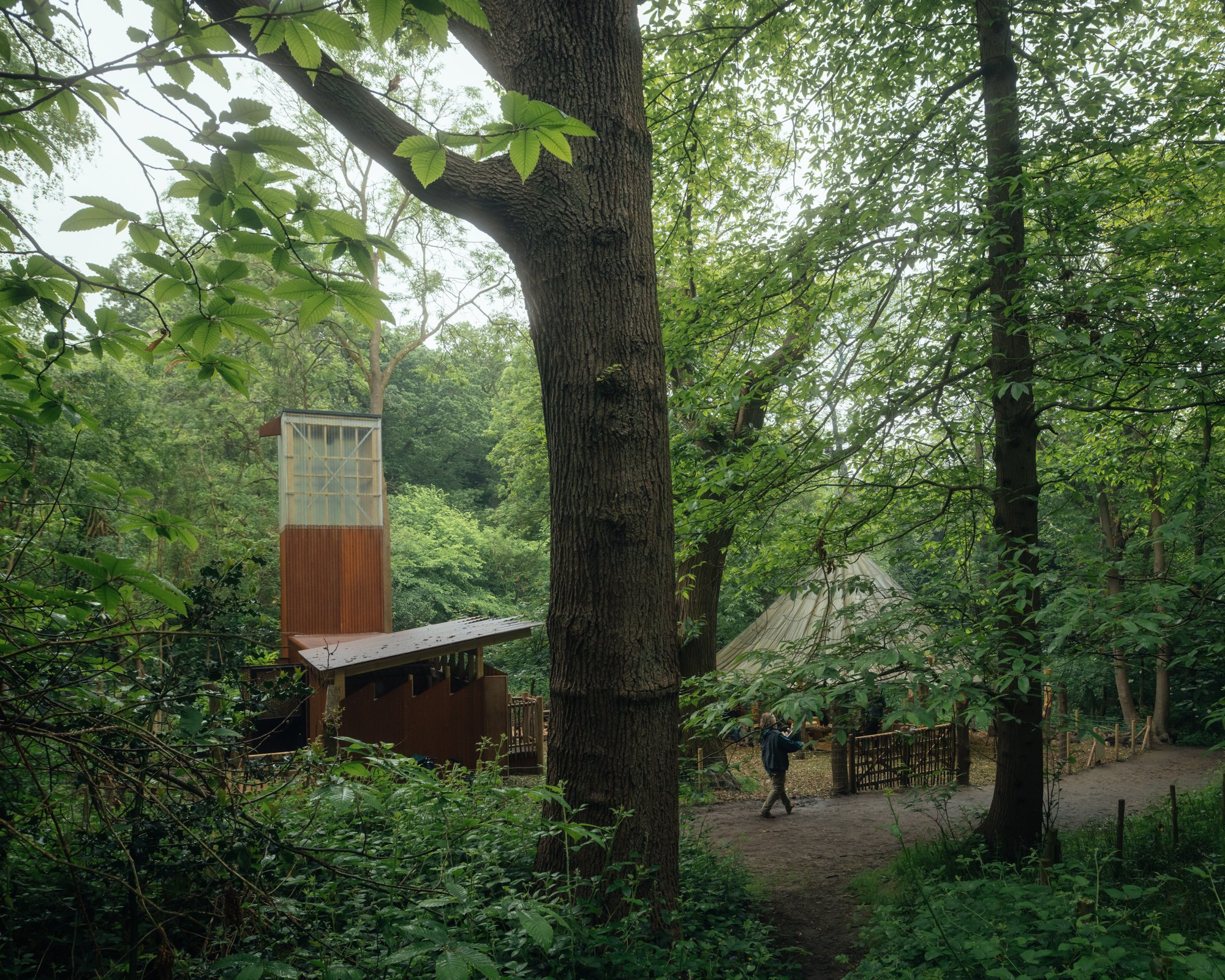
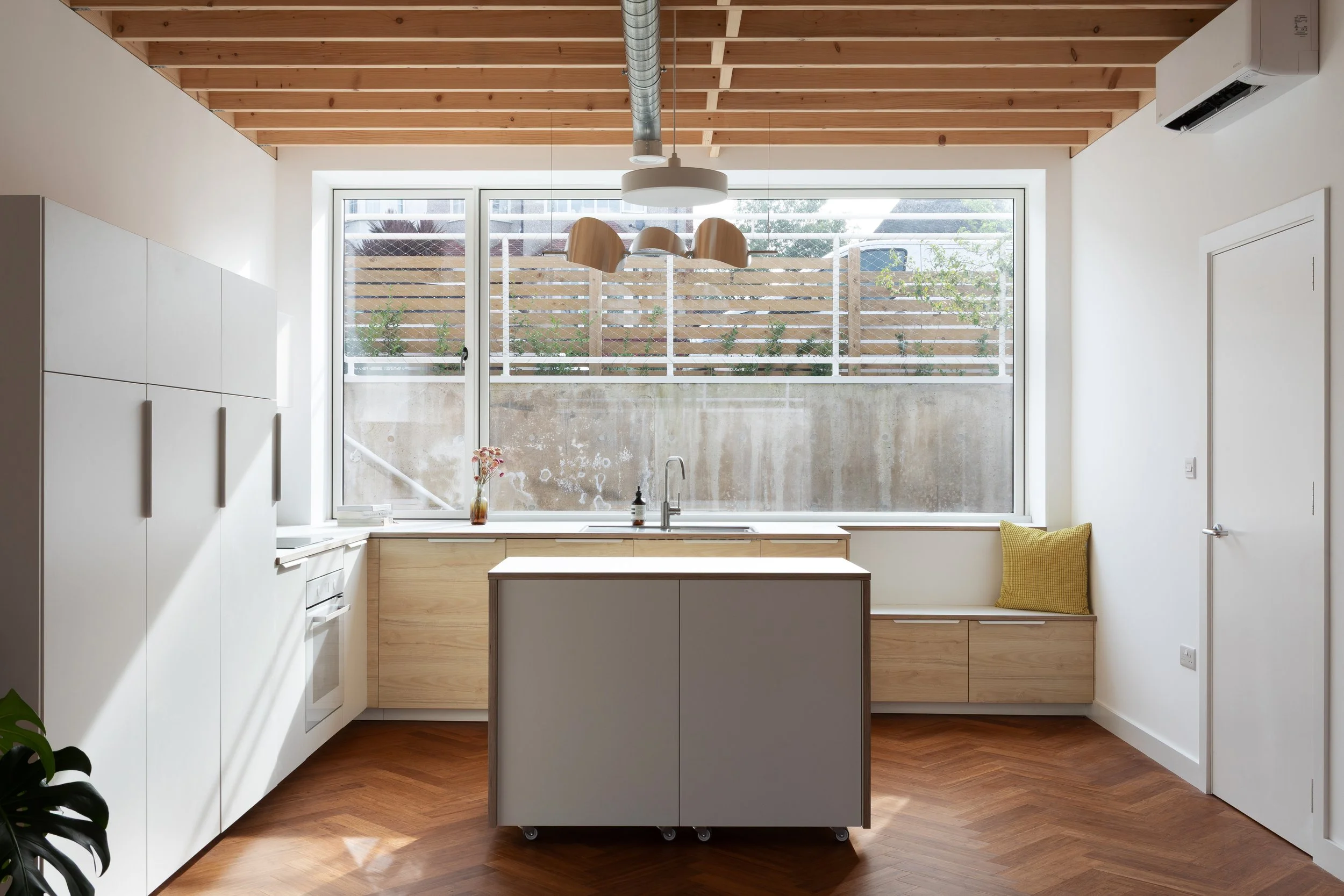
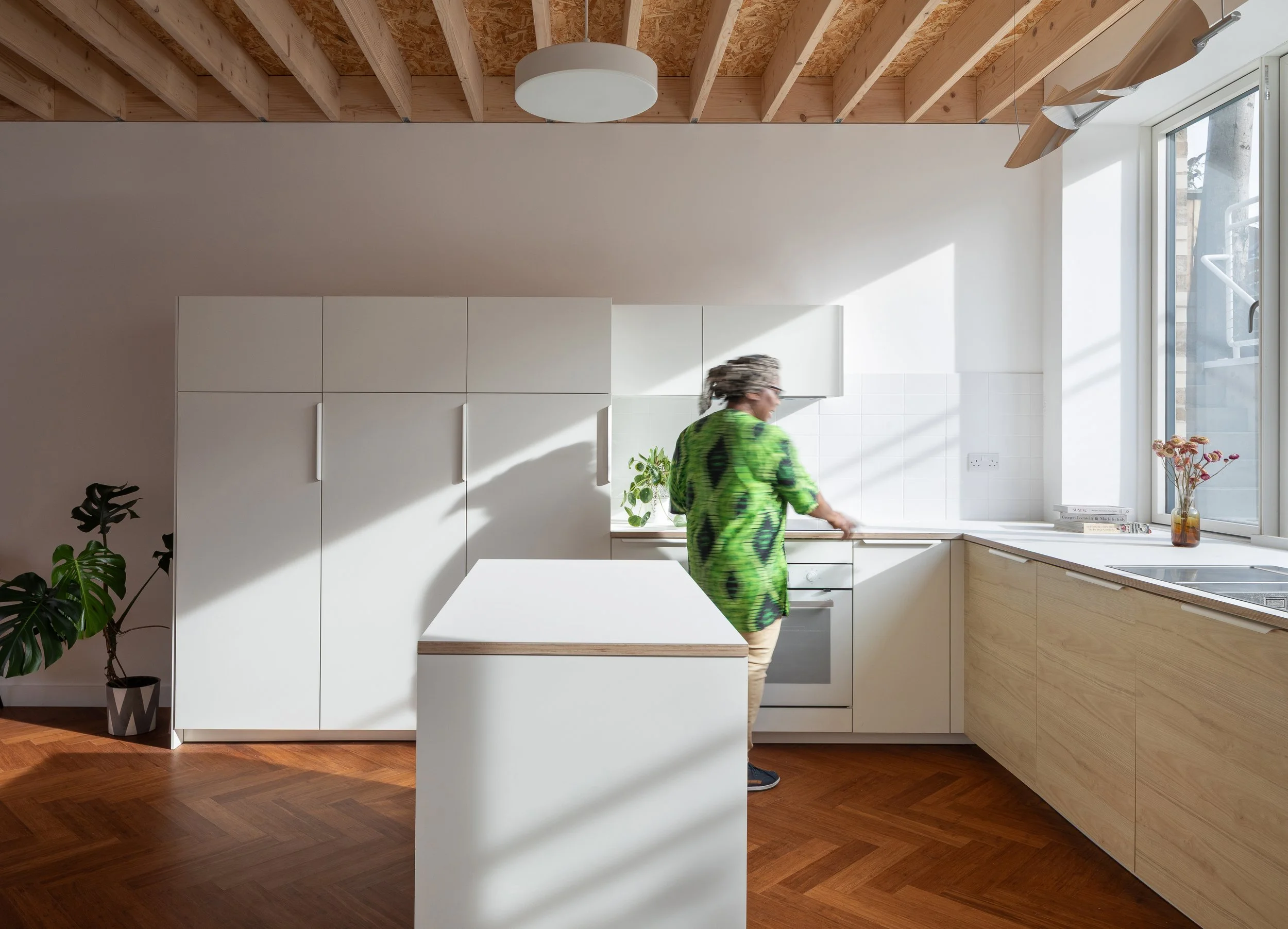
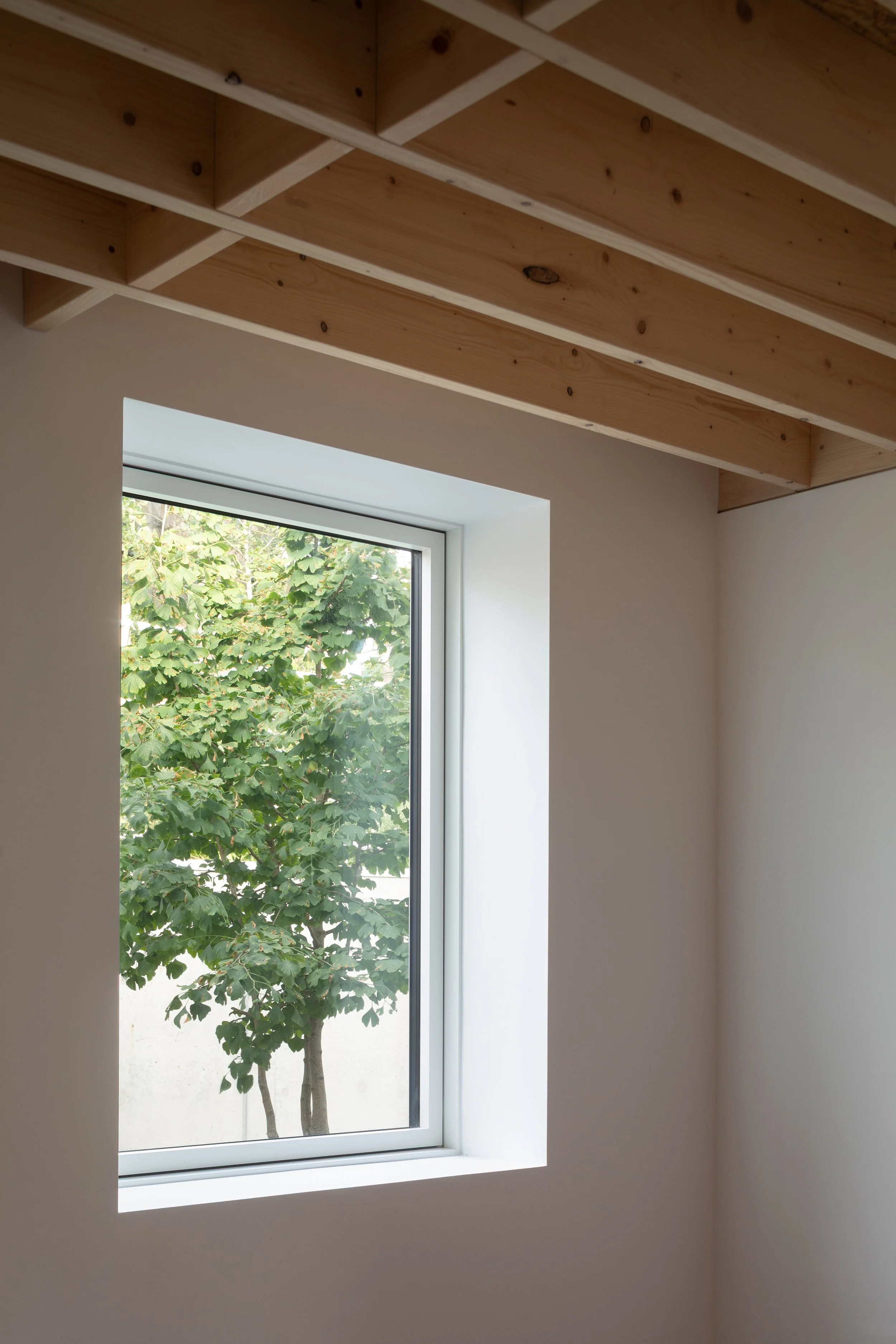
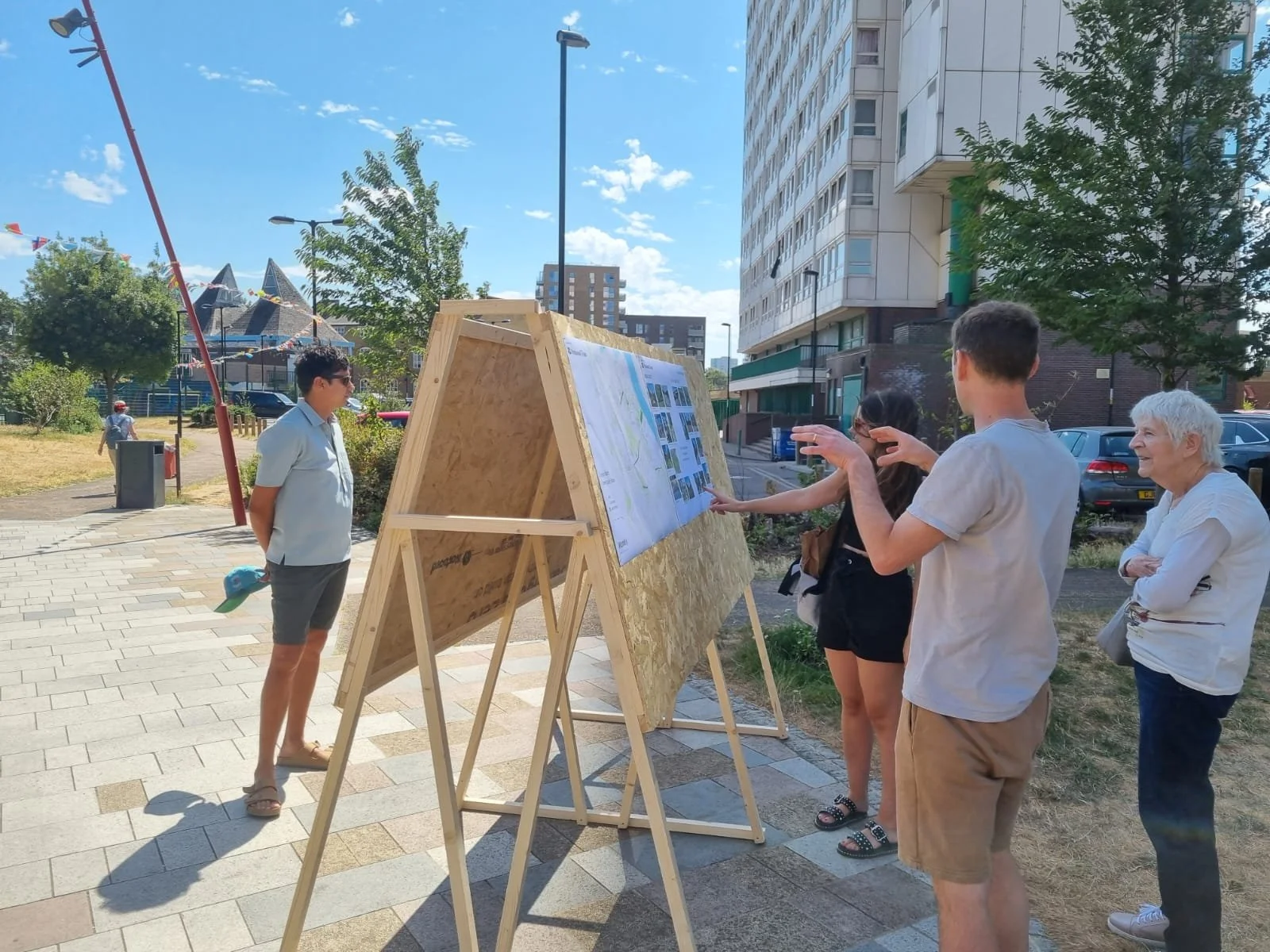
Constructed in the Perry Fields Conservation Area, the newly completed Low Impact House aims to touch lightly on the planet and lightly within its context. The site was the side garden to the clients existing house, who wished to downsize after her children had flown the nest, but did not want to move out of the area she called home. The design team was led by WonKy and the main contractor was AIB Contractors Ltd. The scheme is on track for Passivhaus Trust Low Energy Building Certification.
Within a London Conservation Area, tucked away in a side garden on a triangular plot where two public roads meet, the site is exposed, with existing views towards two locally listed buildings, which meant any development on the side garden had to be sensitive to its surroundings.
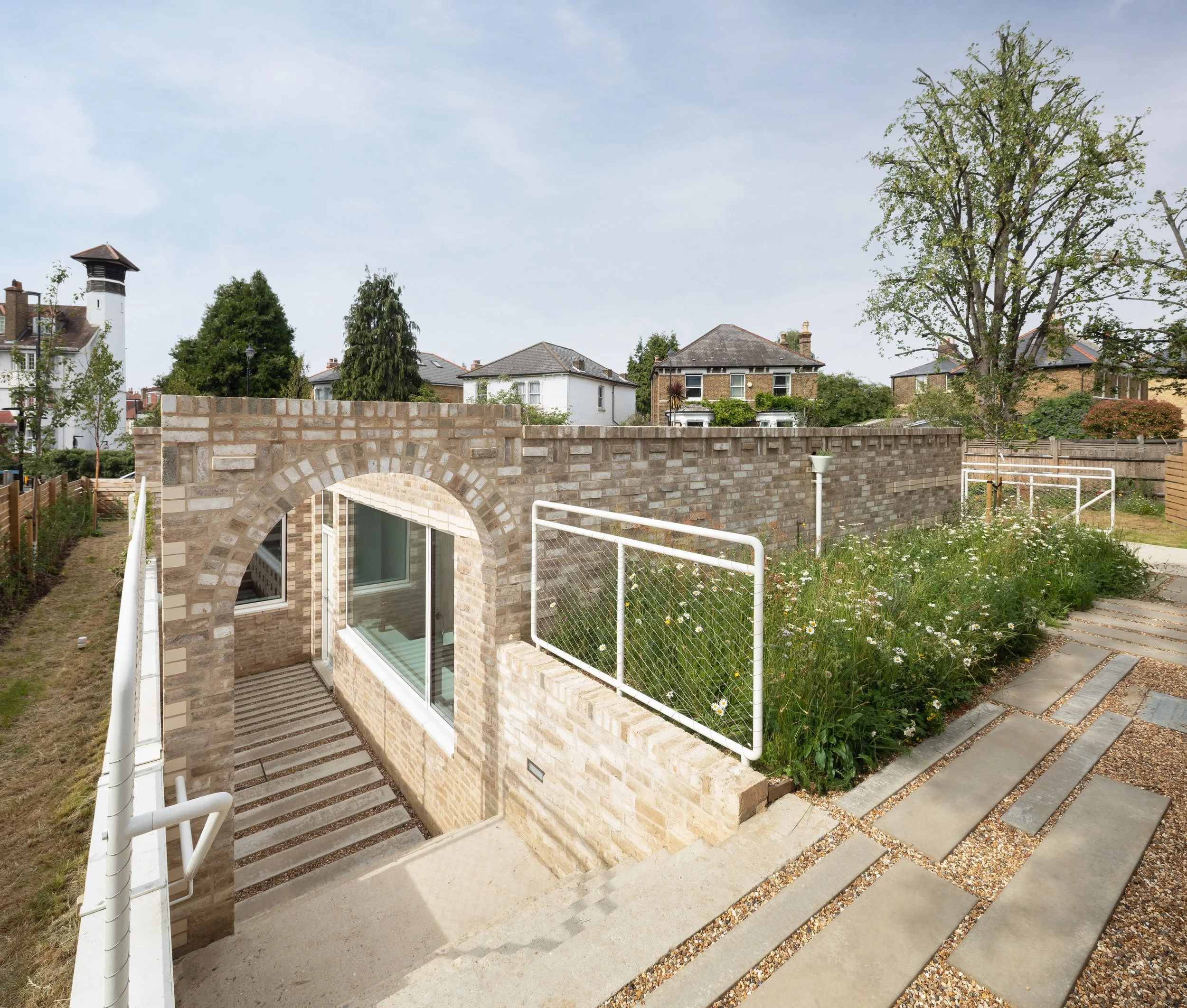
Working with Lewisham Planning Department, WonKy developed a scheme that sunk the new house into the ground and had minimal impact on the streetscape.
Wishing to downsize and inspired by the NANA movement of her native Nigeria, a movement which hopes to redefine sustainable design by repurposing accessible, off-the-shelf industrial and local materials into climate-adaptive architecture, the client reached out to WonKy to design an eco-conscious home that would remain cool in summer, retain heat in winter, and dramatically slash utility bills during her retirement.
Knowing WonKys track record with repurposing materials. The client encouraged the architects to embrace this resourceful Nigerian ethos and use off-the-shelf materials wherever possible.
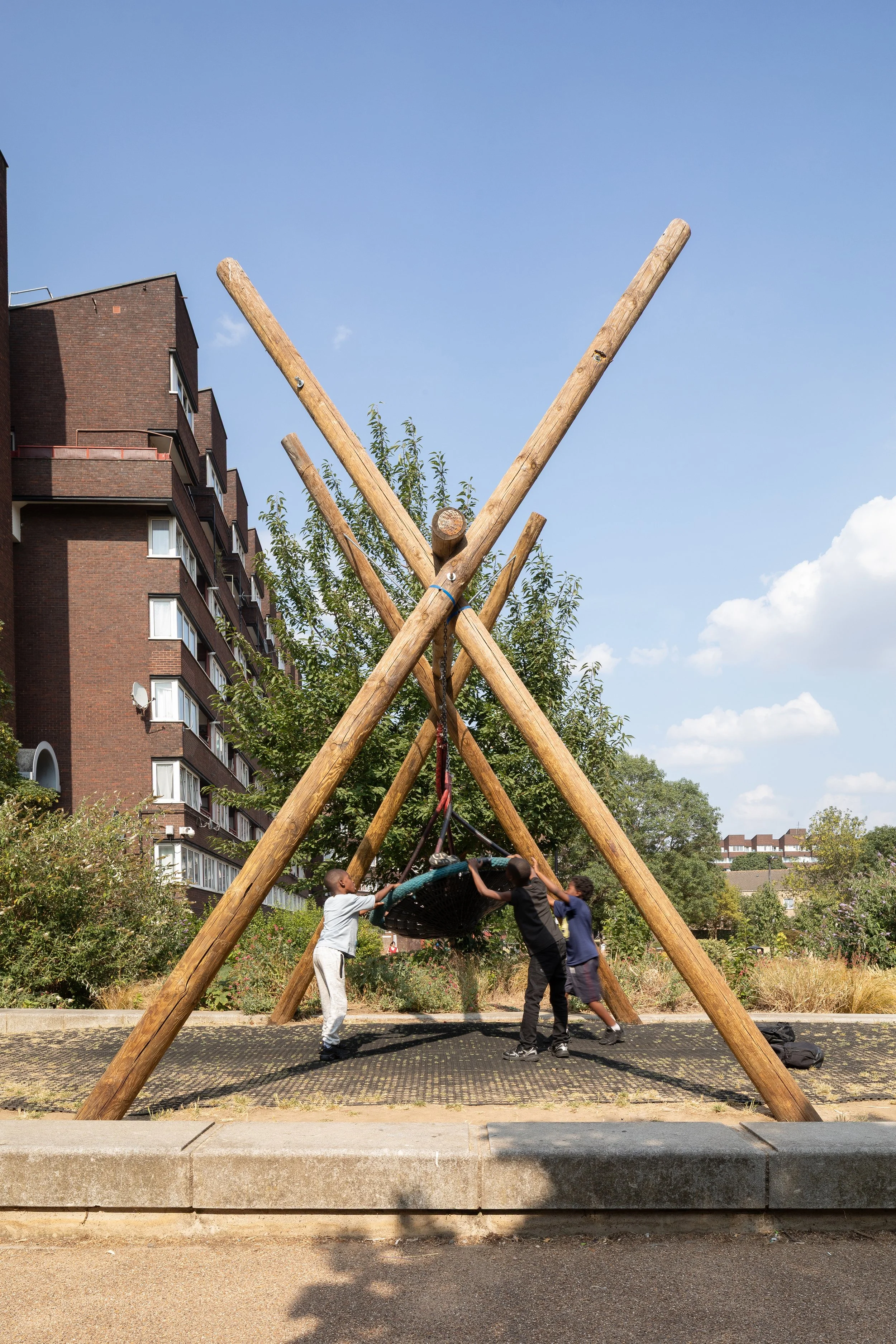
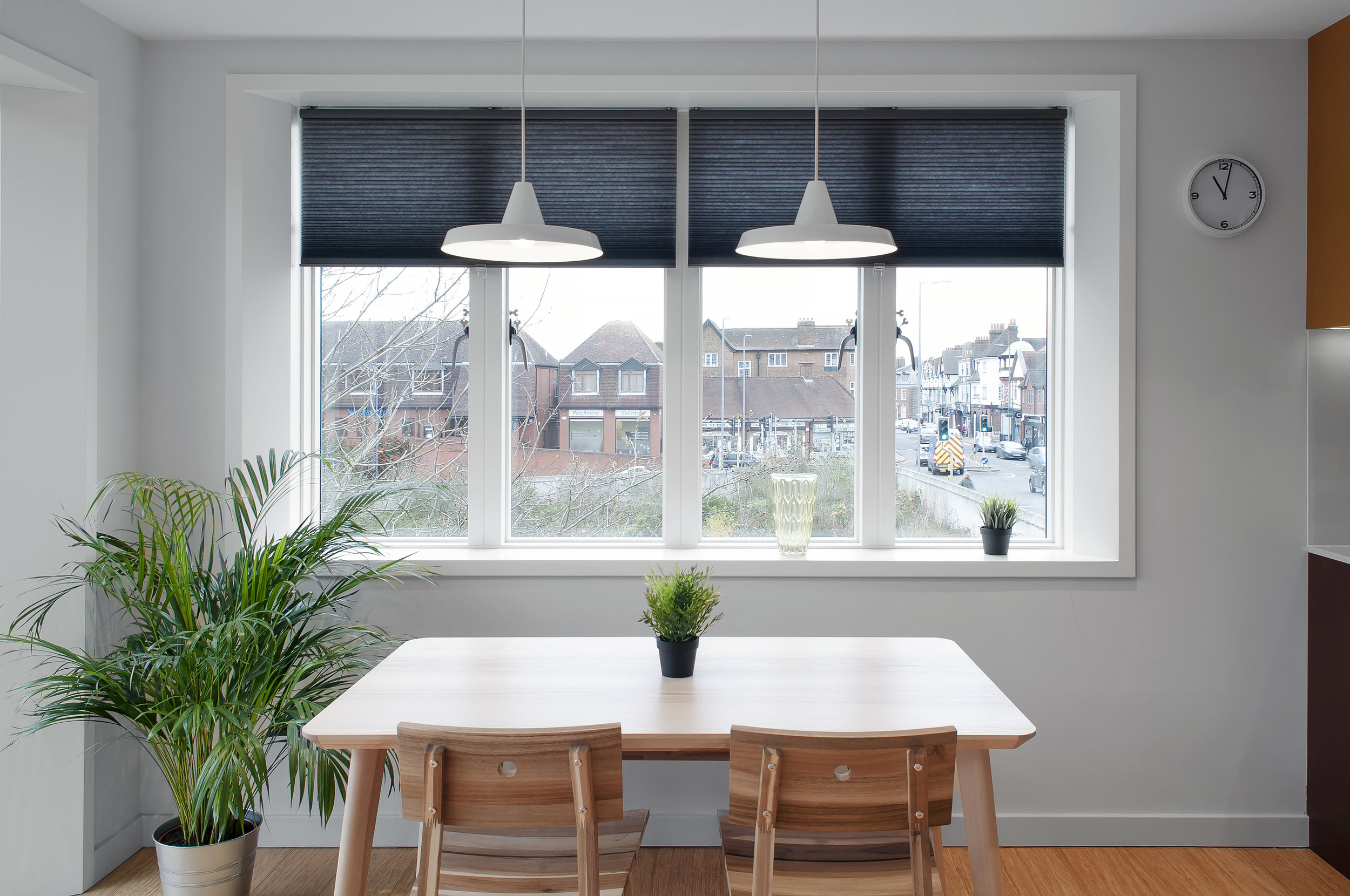
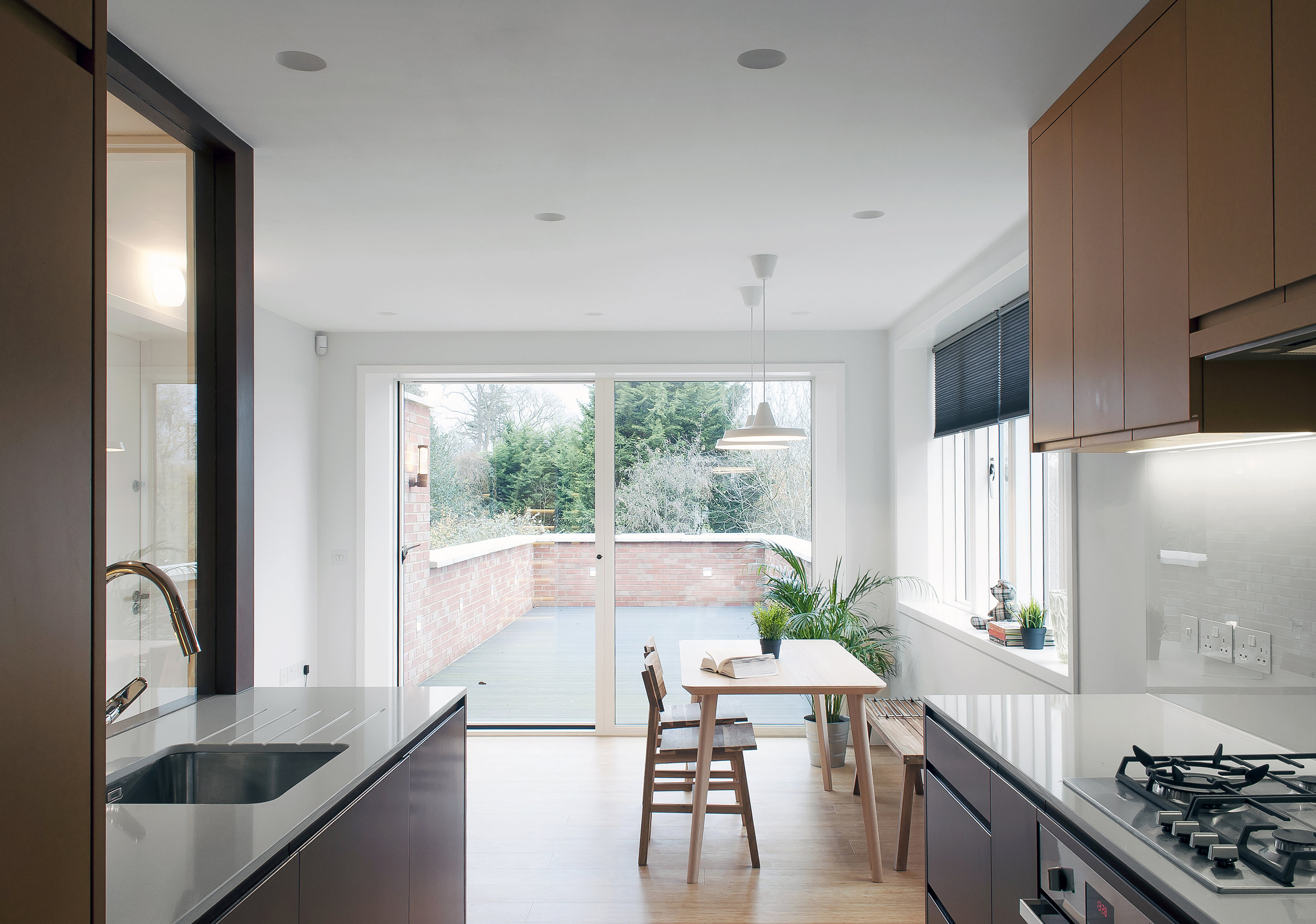
This playful approach is most evident in the external landscaping. Among the wild meadow flowers, planted to support biodiversity and pollinators, smooth concrete gravel boards have been laid flat as garden walkways, common hollow blocks have been filled with plants, and an industrial concrete manhole ring has been repurposed as a structural planter for a focal tree. Inside, highly sustainable, fast-growing bamboo flooring was chosen instead of hardwood.
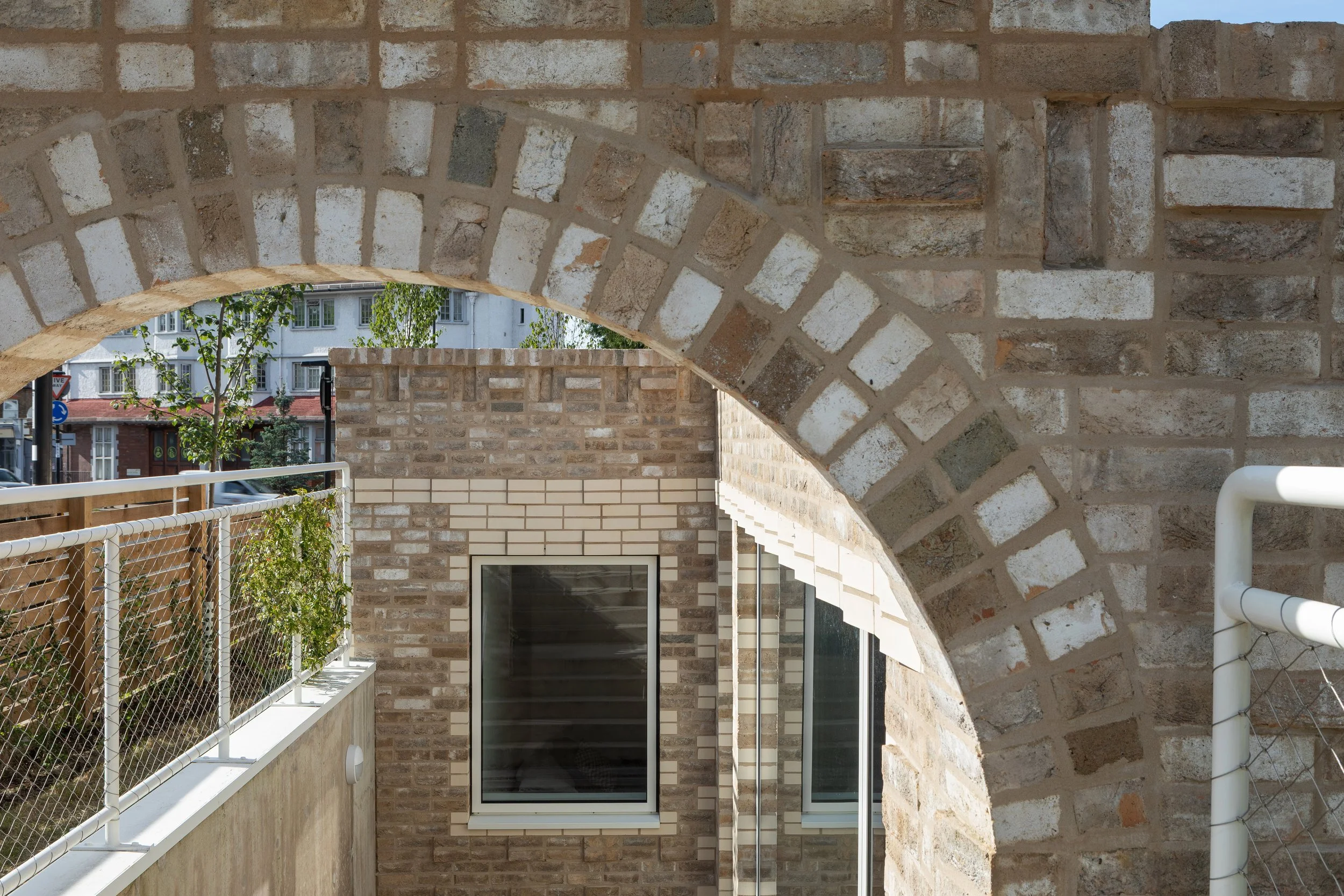
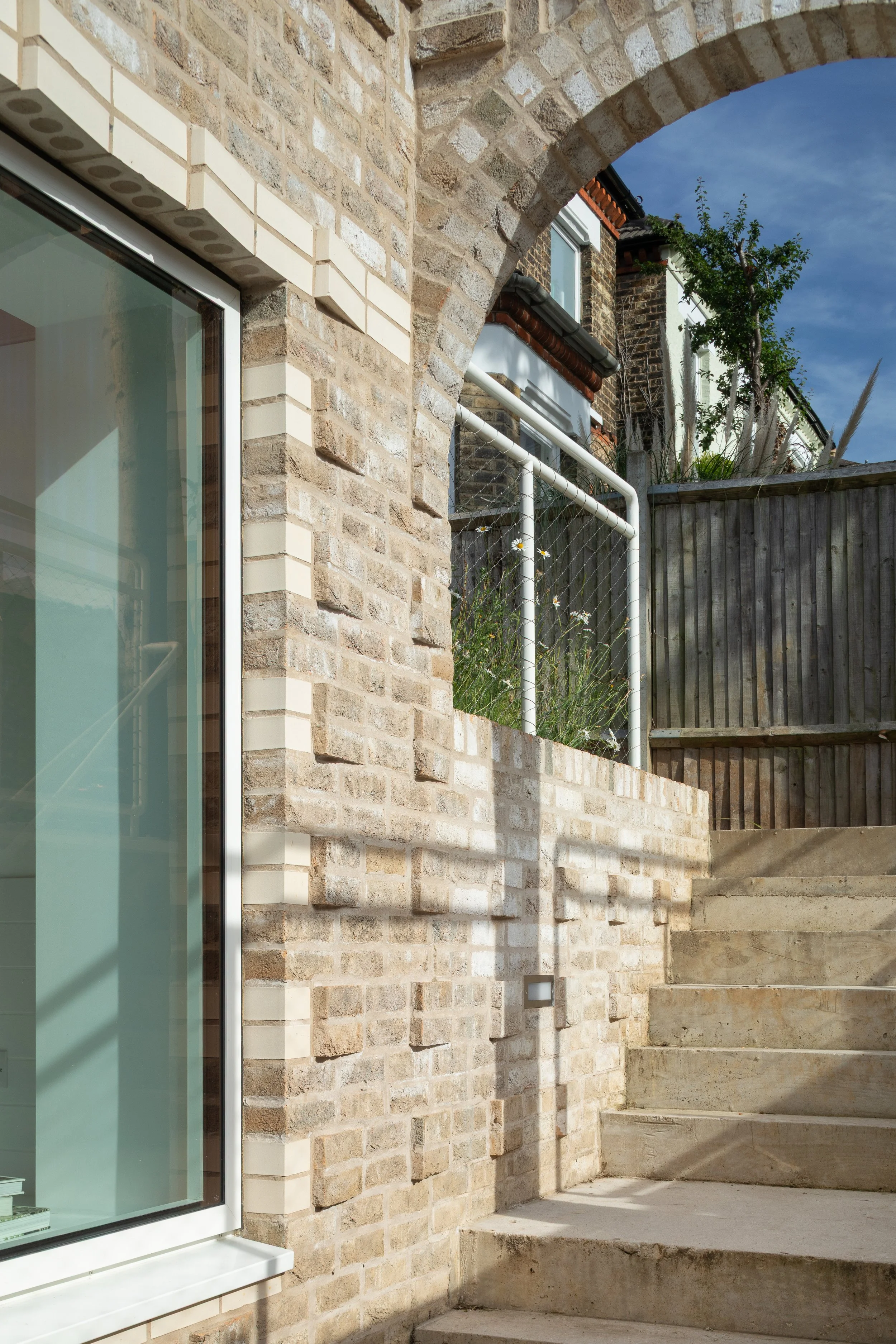
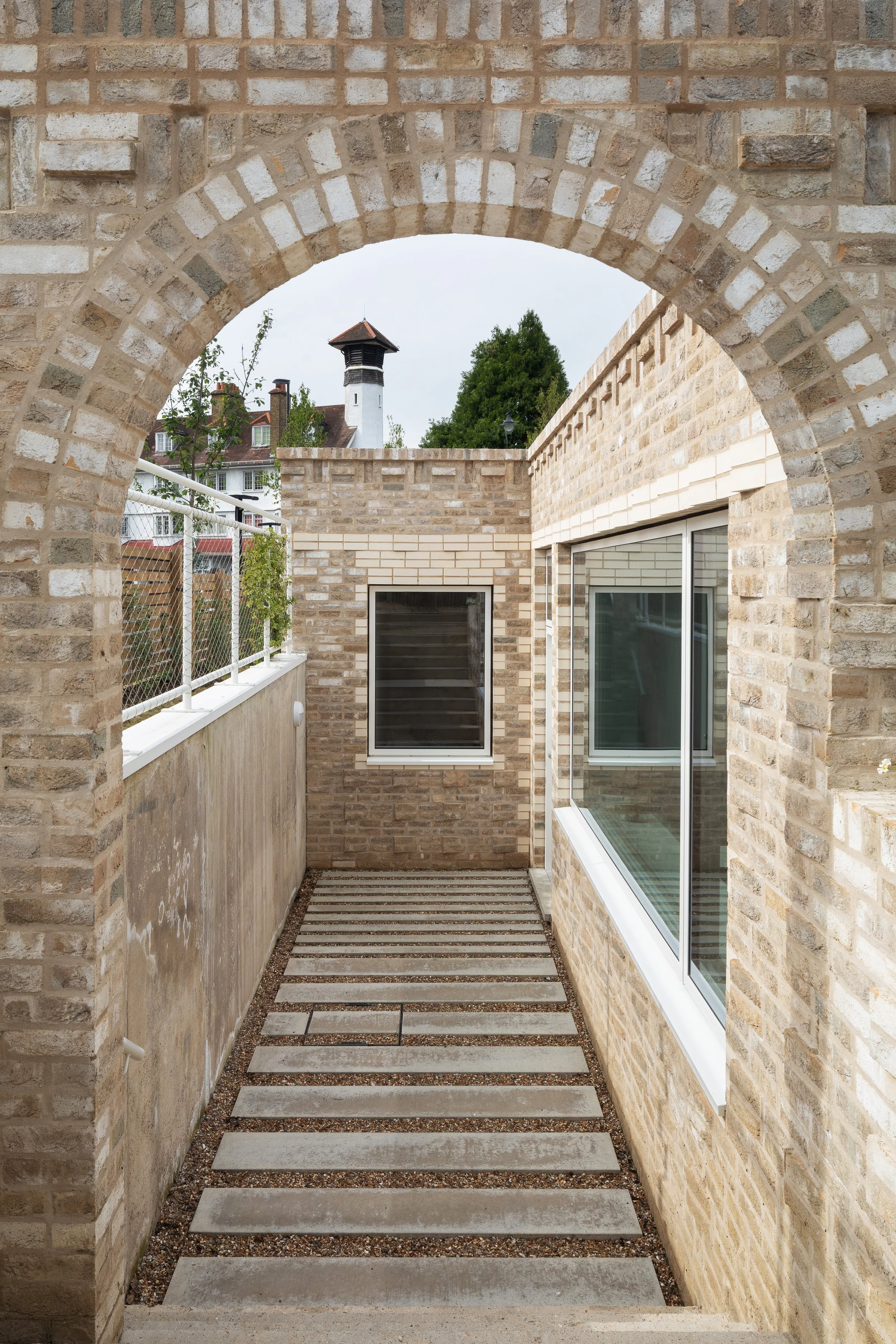
This modest house is entered below ground, first passing through a brick arch, (the client happily refers to a Roman ruin), which leads down raw concrete steps. Sunk into the garden, it is a building that hopes to be found and unearthed. The architects have a fascination for John Soane’s house and now museum. The atmospheric sequences which lead down to the lower floors of Soane’s house inspired the arch and textures found on the brickwork here.
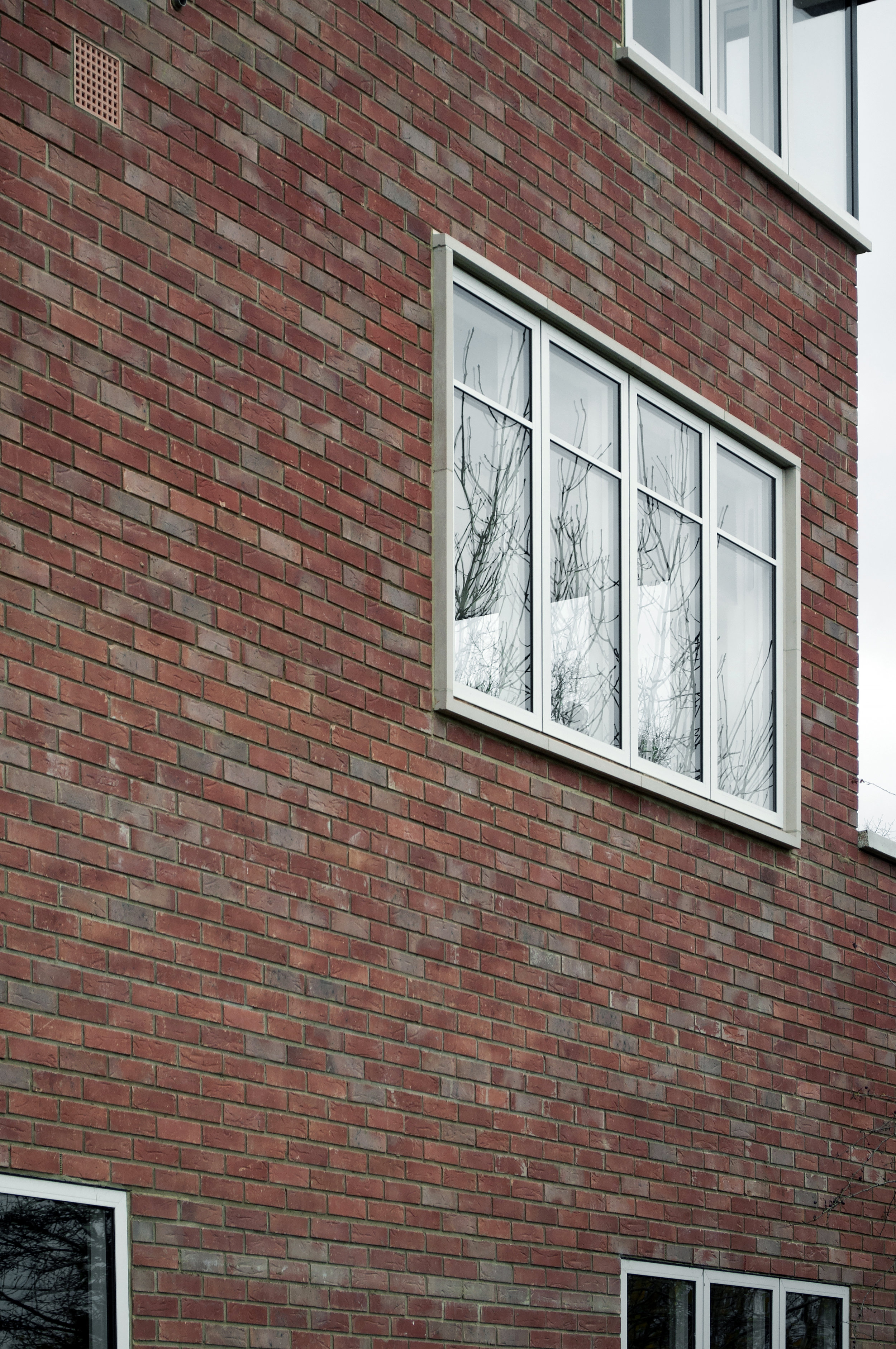
The brickwork is laid in a precise double-stack bond, a brick pattern that hopes to evoke a sense of a building that is bigger than the house that lies below the garden fence line. The buff-coloured masonry is flush pointed in a lime mortar, creating a smooth surface that is punctured with protruding and rotated brickwork through all four elevations. Soane decorated his handsome buildings and so too did the Victorians house builders who never missed an opportunity to be playful with the brickwork, and still evident in the neighbouring budlings.
When the hoarding to the building site was finally removed there were humorous comments about how the builders had spent many months not actually building; there was indeed no typical house to be seen. The client considers Felicia House to be a successful low impact house, it has met her brief of touching the earth lightly, is low and subservient to the existing streetscape, but has elevated her idea of what a home can be.
Location: Forest Hill, London
Client: Rita
Main Contractor: AIB Contractors Ltd
Structural Engineer: KPT Design
Passivhaus Certifier: Zero Energy
Landscape: Wade & Co Gardens
Tree Consultant: Connick Tree Care
Photographer: Agnese Sanvito